Compositing
Master the industry-standard power of Nuke to turn raw shots into cinematic masterpieces. Learn high-end techniques to rotoscope, key, track, and color grade your way to Hollywood-level visuals using node-based workflows.
Composite your first VFX shot in our intensive 4-week course
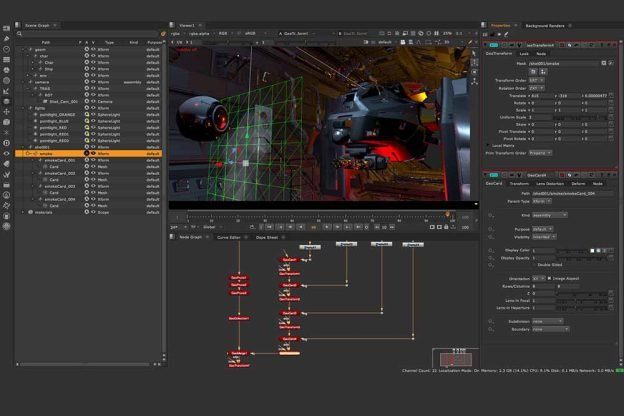
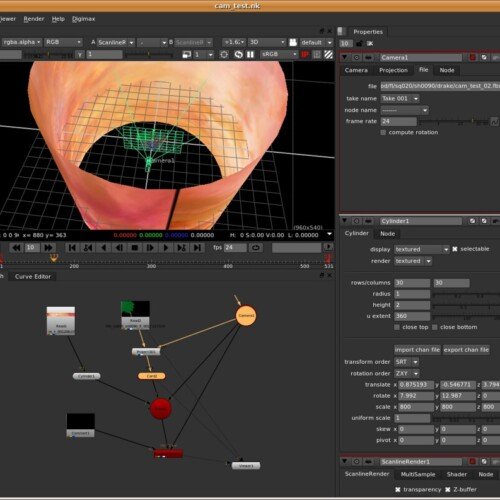
Designed for aspiring compositing artists, this comprehensive four-week course on Seed LMS guides you step-by-step through Foundry Nuke, linear colour workflows, and modern AI workflows. You will develop the essential skills of node-based compositing, precise rotoscoping, chroma keying, 2D tracking, and multi-pass rebuilding while establishing a professional VFX post-production pipeline. Beyond the core four weeks, you’ll receive a full month of free, one-on-one mentorship to polish your final composites, troubleshoot your node graph in real-time, and confidently build your VFX portfolio. Choose from our curated pool of 10 exciting project briefs, refine your skills, and graduate with a photorealistic, portfolio-ready video sequence.
Course Outline
Week 1: The Node Graph & Linear Workflow
Topic A: Interface & The B-Pipe Logic
- Node Graph vs. Timeline: Navigating the DAG (Directed Acyclic Graph).
- The Viewer: Connecting inputs (1, 2, 3…) and checking channels (RGBA).
- Merge Math: Understanding “Over,” “Plus,” and “Screen.” Why the B-input is the background (Stream).
Topic B: Colour & Channels
- Linear Workflow: Why Nuke operates in Linear space while monitors are sRGB. LUT management.
- Alpha Channels: Premultiplied vs. Unpremultiplied. The “Unpremult -> Grade -> Premult” workflow.
- The Grade Node: Gain, Gamma, Lift, and Offset basics.
Topic C: Basic Transform & Formatting
- Reformat & Crop: Managing resolutions (HD, 2K, UHD).
- Transform & Tracker: Basic 2D transformations.
Week 2: Roto, Keying & Integration
Topic A: Rotoscoping
- Roto Node: Drawing B-Splines and Bezier shapes.
- Keyframe Strategy: Breaking the subject into parts (Torso, Arm, Hand) to avoid “boiling” edges.
- Blur & Feather: Creating realistic motion blur in roto.
Topic B: Chroma Keying
- Keylight: The industry-standard keyer. Picking the screen colour.
- Screen Matte: Viewing the Alpha channel to check for holes.
- Despill: Removing green bounce from the subject’s edges.
Topic C: Tracking & Paint
- Tracker Node: 1-Point vs 2-Point tracking for stabilisation and match-moving.
- RotoPaint: Cloning out wires or tracking markers.
Week 3: CG Compositing (Multi-Pass)
Topic A: The Shuffle Node
- EXR Architecture: Understanding Multi-channel files (Beauty, Diffuse, Specular, Z-Depth).
- Shuffling: Extracting specific passes to grade them individually.
Topic B: Beauty Rebuild
- The Math: Diffuse + Specular + Emission + Reflection = Beauty.
- Colour Grading CG: Changing the colour of a car paint after it has been rendered using the CryptoMatte or ID pass.
Topic C: 2.5D compositing
- Camera & Cards: Importing a Maya camera into Nuke and projecting textures onto 3D cards.
- ZDefocus: Using the Z-Depth pass to create realistic Depth of Field.
Week 4: AI Workflow, Polish & Final Sprint
Topic A: Innovative AI Workflow (Using Gemini)
- The Python Scripter: Nuke is built on Python. Use Gemini to write simple scripts to automate tasks.
- Prompt Example: “Write a Python script for Nuke to automatically create a Read node for every .exr file in a specific folder.”
- Math Assistant: Asking Gemini to explain Merge operations.
- Prompt Example: “Explain the mathematical difference between the ‘Overlay’ and ‘Screen’ merge operation in Nuke compositing.”
- Expression Debugging: Pasting broken TCL expressions into Gemini for fixes.
Topic B: Finishing Touches
- Grain Management: The #1 rule of comp—never leave a CG object “clean.” Matching plate grain.
- Lens Distortion: Distorting CG to match the imperfections of the real camera lens.
- Light Wrap: Blending background light over foreground edges.
Mentorship & Portfolio Polish
After four weeks of core instruction, students enter a free 1-month mentorship delivered online via Discord. This phase shifts the focus from learning new tools to applying them to industry standards.
- Project Polish & Portfolio Building: Finish or redo your 2 required projects. High-quality submissions ensure better scores and a stronger portfolio.
- Weekly 1-on-1 Sessions: Each student is assigned a dedicated mentor for a personalised 30 to 60-minute weekly guidance session.
- Open File Reviews: Present open project files via live screen sharing for direct mentor critiques and feedback.
- Live Debugging: Join dedicated livestreams where instructors actively troubleshoot settings and fix your project errors in real-time.
- Final Premiere: Submit your fully rendered images or video for the Virtual Viewing Party to watch and critique final reels with the class.
- Certification & Next Steps: Complete the course evaluation and submit all final polished projects to finalise grading and unlock your Certificate of Completion.
What’s Inside?

1-on-1 Mentorship
One full month of dedicated expert guidance tailored to your specific goals.

Seed LMS Access
Lifetime access to the Student Portal, hosting all your modules and resources.
Weekly Interactive Quizzes
Test your skills and track progress with gamified assignments and feedback.

Official Certification
Validate your expertise with a digital certificate recognized by industry leaders.
What You Will Learn
- Navigate the Foundry Nuke node graph and establish a linear colour space workflow
- Isolate complex subjects using precise rotoscoping, splines, and garbage mattes
- Execute professional chroma keying using Keylight with accurate spill suppression
- Track and stabilise live-action footage using 1-point and 2-point tracking nodes
- Rebuild multi-pass EXR renders and grade individual CG channels using the Shuffle node
- Apply photorealistic finishing touches, including grain matching, lens distortion, and light wraps
- Utilise AI tools to write Python automation scripts and troubleshoot complex expressions