3D Product Modelling
Craft stunning 3D models of everyday objects and cutting-edge tech with our intensive course. Master lighting, texturing, and rendering to create compelling visuals for marketing, e-commerce, and design portfolios.
Build professional 3D product showcases in our 4-week course
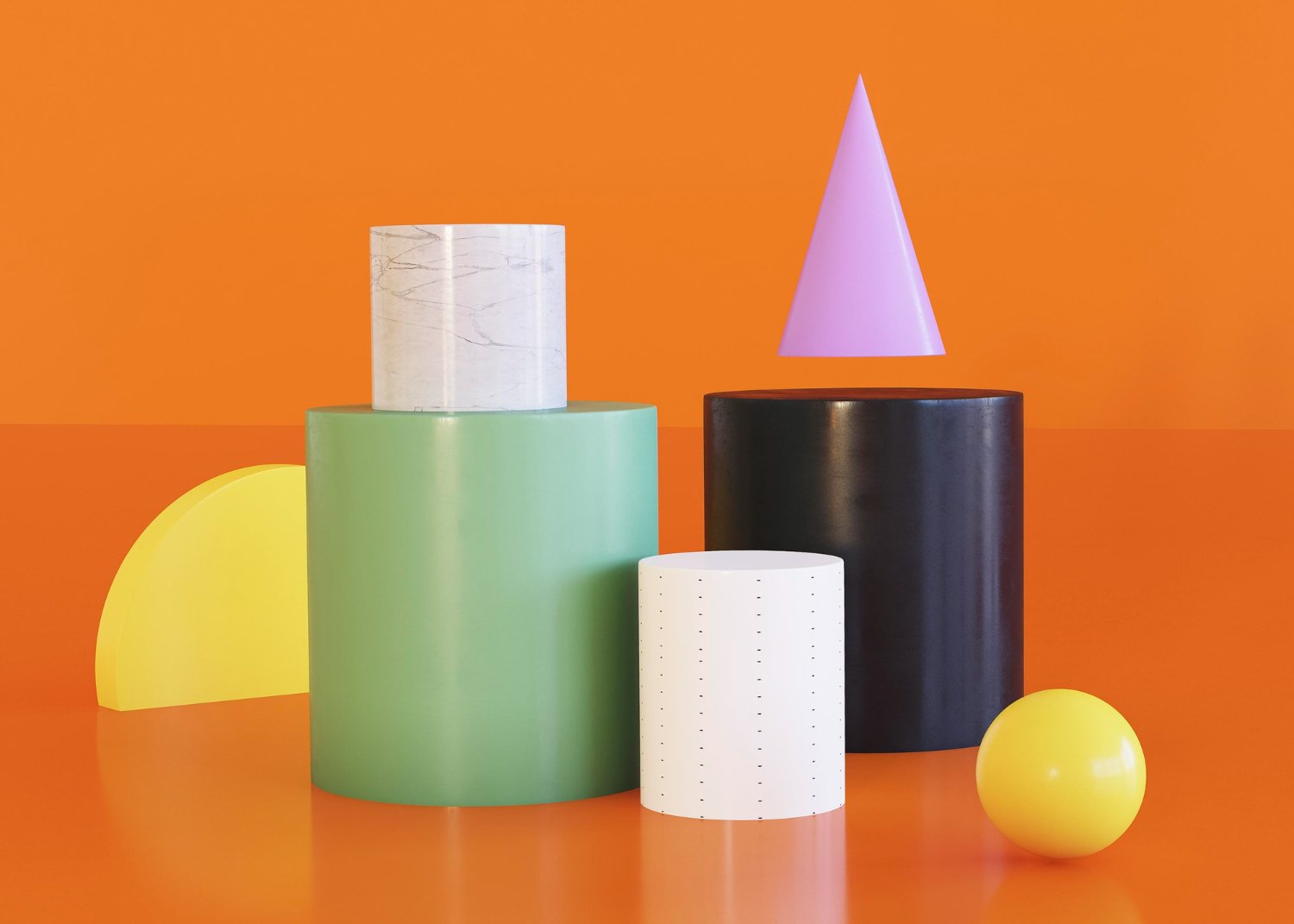
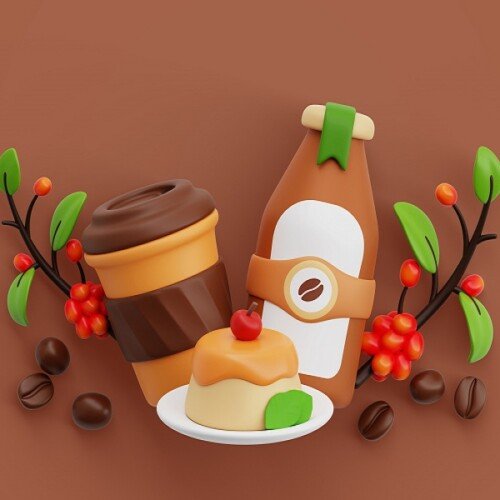
Build professional 3D product showcases at Orange Seed Academy — an intermediate, 4-week course for artists ready to specialise in commercial visualisation. Using Autodesk Maya, Arnold Renderer, and AI workflows with Gemini, you’ll master precision hard-surface modelling, distortion-free UVs, physically-based materials like glass and brushed metal, studio lighting, cinematic camera moves, and seamless turntables. Weekly quizzes and milestone deliverables carry you through to full AOV-rendered final output.
Beyond the core four weeks, enjoy a full month of free 1-on-1 mentorship to polish your renders, troubleshoot meshes in real time, and strengthen your reel. Choose from 10 curated product briefs, and graduate with two portfolio-ready product showcases built for e-commerce, marketing, and design careers. Enrol in Orange Seed Academy’s 3D Product Modelling course and start rendering products that sell.
Course Outline
Week 1: Precision Modelling & Topology
Topic A: Reference & Scale
- Importance of real-world measurements.
- Setting up Image Planes and orthographic views.
- Project Management: Incremental saves and scene organisation.
Topic B: Hard Surface Modelling Workflow
- Sub-division surfaces vs. Low-poly modelling.
- Support Loops and Holding Edges: Controlling sharpness in smoothed meshes.
- Bevels and Fillets: Replicating manufactured edges.
Topic C: Advanced Topology
- The “All-Quad” Rule: Avoiding N-Gons on curved surfaces.
- Booleans and Clean-up: Using Booleans effectively and fixing the resulting topology.
- Flow Retopology: Redirecting edge loops for complex cut-outs (e.g., button holes).
Week 2: Lookdev & Surfacing
Topic A: UV Mapping for Products
- Unfolding complex shapes without distortion.
- UDIM vs. Layout: Organising UV shells for high-resolution labels.
- The “Relax” and “Straighten” tools for clean texture application.
Topic B: Shaders & Materials (Arnold)
- Standard Surface: Mastering IOR (Index of Refraction) for glass and plastic.
- Anisotropy: Creating the “brushed metal” look for electronics.
- Clear Coat and Sheen: Simulating car paint and fabric.
Topic C: Labels & Decals
- Using AI (Gemini) for branding: Generating fictional product names and logo concepts.
- Layering Textures: Placing logos over materials using Alpha maps.
Week 3: Studio Lighting & Presentation
Topic A: Product Photography Principles
- 3-Point Studio Lighting: Mastering Key, Fill, and Rim lighting roles.
- Softboxes and Reflectors: Using Arnold Area Lights with custom textures for appealing highlights.
Topic B: The Virtual Camera (Pushes, Pulls, and Orbits)
- Focal Length: Using long lenses (85mm–100mm) to avoid product distortion.
- Camera Animation:
- The Push-In: Slow, purposeful movement towards a detail.
- The Pull-Back: Starting on a detail and revealing the full product scale.
- The Orbit: A smooth, cinematic move around the subject to show form and volume.
Topic C: Technical Presentation (Turntables & Exploded Views)
- The 360° Turntable Render:
- Setting up a seamless rotation.
- Graph Editor Mastery: Converting tangents to Linear to ensure a perfectly looping animation without “easing.”
- The Animated Exploded View:
- Hierarchy & Parenting: Organising parts for independent movement.
- The Reveal: Animating individual components “exploding” outwards to show internal engineering.
- Staggered Animation: Offsetting keyframes so the explosion feels organic.
Week 4: AI Workflow & Rendering
Topic A: Innovative AI Workflow (Using Gemini)
- The Conceptual Partner: Using Gemini to generate fictional product briefs or “backstories.”
- The Technical Advisor: Asking Gemini to troubleshoot Maya errors or Arnold render artefacts.
- AI for Environment: Using Gemini to describe a perfect 3D environment to inform your lighting.
Topic B: Arnold Render Settings
- Sampling and Noise: Getting rid of “fireflies” and grain.
- AOV (Arbitrary Output Variables): Exporting passes for post-processing.
Topic C: Final Output
- Batch Rendering the turntable and exploded view.
- Encoding: Using Media Encoder to create a high-quality MP4/MOV file.
Mentorship & Portfolio Polish
After four weeks of core instruction, students enter a free 1-month mentorship delivered online via Discord. This phase shifts the focus from learning new tools to applying them to industry standards.
- Project Polish & Portfolio Building: Finish or redo your 2 required projects. High-quality submissions ensure better scores and a stronger portfolio.
- Weekly 1-on-1 Sessions: Each student is assigned a dedicated mentor for a personalised 30 to 60-minute weekly guidance session.
- Open File Reviews: Present open project files via live screen sharing for direct mentor critiques and feedback.
- Live Debugging: Join dedicated livestreams where instructors actively troubleshoot settings and fix your project errors in real-time.
- Final Premiere: Submit your fully rendered images or video for the Virtual Viewing Party to watch and critique final reels with the class.
- Certification & Next Steps: Complete the course evaluation and submit all final polished projects to finalise grading and unlock your Certificate of Completion.
What’s Inside?

1-on-1 Mentorship
One full month of dedicated expert guidance tailored to your specific goals.

Seed LMS Access
Lifetime access to the Student Portal, hosting all your modules and resources.
Weekly Interactive Quizzes
Test your skills and track progress with gamified assignments and feedback.

Official Certification
Validate your expertise with a digital certificate recognized by industry leaders.
What You Will Learn
- Apply precision sub-division modelling and maintain clean edge flow for hard surfaces
- Unwrap complex shapes and map high-resolution labels without UV distortion
- Create high-end Arnold materials like brushed metal, glass, and clear-coat plastics
- Set up professional 3-point studio lighting to mimic real-world product photography
- Animate cinematic camera moves, seamless 360° turntables, and complex exploded views
- Utilise AI tools to generate product branding, troubleshoot errors, and speed up workflows
- Render high-quality, portfolio-ready product showcases and animated sequences

